
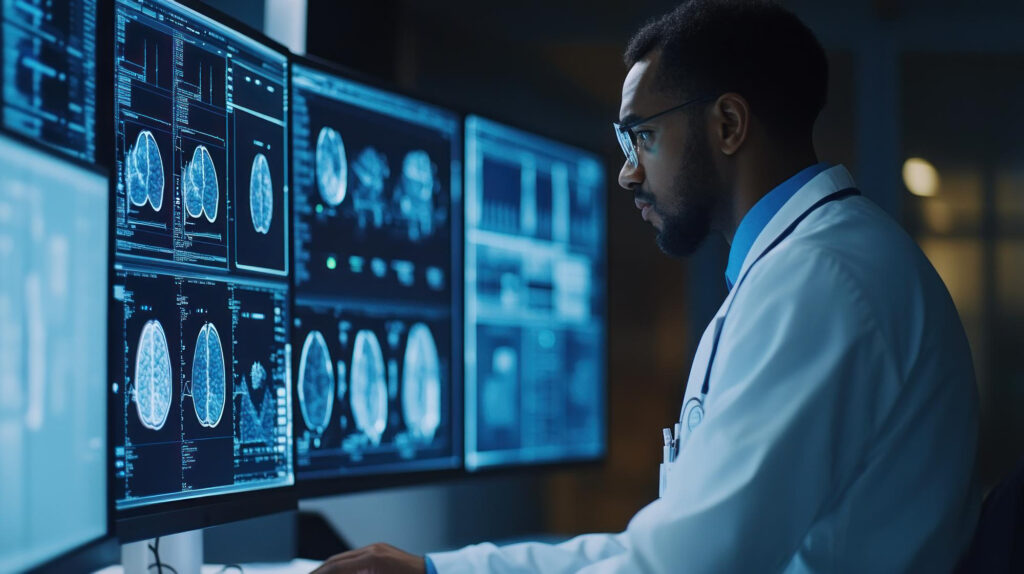
Overview of the role and its importance in maintaining radiology systems
In the modern healthcare realm, radiology plays a crucial role in treatment planning and accurate diagnosis. Central to this essential function is a sophisticated network incorporating imaging tools, software programs and data storage systems. This is where the Radiology IT Support Analyst comes into play – an unsung champion ensuring the smooth function and optimal performance of these intricate systems.
Radiology IT Support Analysts are highly proficient professionals with a profound comprehension of both radiology processes and information technology. They serve as the liaison between radiologists, technicians and the IT team, ensuring that imaging examinations are obtained, processed, interpreted and delivered seamlessly. Their efforts directly result in quicker diagnosis turnaround, enhanced patient care and heightened operational efficiency within the radiology department.
Responsibilities of a radiology IT support analyst
A Radiology IT Support Analyst must possess both technical proficiency and customer-focused service due to the wide range of duties they undertake. Among the main topics they concentrate on are:
- Installing and configuring the system: Making sure that new hardware and software are integrated into the radiology ecosystem and are set up correctly.
- Maintaining system uptime: It involves doing regular maintenance in order to spot such problems early on and fix them before they cause system outages.
- Troubleshooting technical problems: It includes identifying and resolving issues with workstations, imaging equipment, PACS (Picture Archiving and Communication Systems) and network connectivity.
- Providing user support: It involves helping technologists, radiologists and other staff members with technological issues they run across when using radiology systems.
System Maintenance and Troubleshooting
Performing routine maintenance tasks to ensure system reliability
To keep a radiology IT system functioning well and efficiently, being proactive is essential. Radiology IT Support Analysts are vital in preventing downtime by performing a variety of routine maintenance procedures. These could consist of:
- System updates: Applying security patches and software upgrades to fix bugs and attain peak performance.
- Data backups: To ensure quick recovery in the event of a system failure, backing up important data to safe storage sites is crucial.
- System Health Checks: Monitoring system logs and performance metrics to detect potential issues early on. This entails checking disk space availability, network connectivity and application errors.
- System optimization is the act of fine-tuning configurations and settings within a system to ensure best-in-class image processing and storage.
Troubleshooting issues to minimize downtime
Despite all preventive measures, technical problems can still arise. Radiology IT Support Analysts are equipped to diagnose and resolve these issues swiftly to minimize disruptions to radiology operations. Their troubleshooting skills encompass:
- Identifying the root cause: Analyzing system logs, user reports and error messages to pinpoint the source of the problem.
- Implementing solutions: Using their knowledge and experience, they implement ways to resolve the issue, which may include restarting services, changing settings or using workarounds until a permanent resolution becomes available.
- Escalating complicated issues: When faced with sophisticated problems beyond their immediate competence, they successfully communicate and escalate the issue to higher-level support personnel or vendors.
User Support and Training
Providing assistance to users experiencing technical difficulties
Radiology IT Support Analysts act as the first line of defense for users who encounter technological difficulties with radiology systems. Their user support responsibilities include:
- Responding to user inquiries: They offer timely and courteous help to radiologists, technologists and other staff members experiencing technical challenges. This may include addressing inquiries over the phone, by email or in person.
- Troubleshooting user-related issues: They identify and handle fundamental technical issues that users encounter, such as login issues, application crashes or difficulties using specialized radiology software capabilities.
- Documenting support interactions: They keep extensive records of user support interactions, such as the nature of the problem, troubleshooting measures performed and resolution obtained.
Conducting training sessions to improve user proficiency
Radiology IT Support Analysts not only address immediate issues but also proactively empower users by:
- Creating training materials: Developing user guides, tutorials and other resources customized to the specific needs of radiology staff. This ensures users can efficiently navigate the systems with confidence.
- Conducting training sessions: Providing training sessions on new software applications, system upgrades and best practices for optimal system utilization.
- Promoting user adoption: They urge employees to use new features and functionalities to realize the potential of radiological systems.
Software and Hardware Management
Managing software updates and patches
Radiology IT Support Analysts play a crucial role in maintaining the latest and secure radiology software. Their duties in this regard consist of:
- Software update assessment: Keeping abreast of new software updates and patches released by vendors. They evaluate the potential effects of these updates on system performance and compatibility before recommending implementation.
- Deployment preparation and testing: Creating a deployment strategy for software updates to minimize workflow disruptions. They also conduct comprehensive testing to verify that new updates work correctly before rolling them out to all users.
- Post-deployment monitoring: Tracking system performance post-update deployment to detect any unexpected issues and ensure a seamless transition.
Maintaining hardware infrastructure to support radiology systems
Radiology systems require a stable and well-maintained hardware infrastructure to perform well. Radiology IT Support Analysts contribute to:
- Hardware inventory management: It entails keeping a detailed inventory of all hardware components within the radiology IT ecosystem. This includes keeping track of equipment lifecycles and scheduling timely replacements.
- Performance monitoring: Refers to the health and performance of hardware components such as workstations, servers and network devices. They discover probable hardware faults and start the necessary repairs or replacements.
- User education on proper hardware usage: Teaching users how to properly handle and care for hardware equipment in order to reduce wear and tear as well as extend its lifespan.
Security and Compliance
Implementing security measures to protect patient data
Patient data privacy and security are top priorities in the field of radiology. Radiology IT Support Analysts are vital in protecting this sensitive information by carrying out the steps below:
- Ensuring secure access controls: They configure and oversee user access controls to permit only authorized personnel to retrieve patient data based on their specific roles and duties.
- Implementing data encryption: They collaborate with IT teams to assure patient data encryption both while stored and during transmission, reducing the risk of unauthorized access in case of security breaches.
- Monitoring for security threats: They maintain vigilance by monitoring for potential security threats like malware attacks and unauthorized access attempts. They are also involved in enacting appropriate mitigation strategies.
- Educating users on data security: They carry out regular training sessions to educate users on the optimal practices for securely managing patient data, which includes emphasizing password security and raising awareness about phishing scams.
Ensuring compliance with relevant regulations and standards
The healthcare industry functions within a stringent framework of regulations and standards that oversee patient data privacy and security. Radiology IT Support Analysts uphold compliance by:
- Keeping abreast of compliance requirements: They stay informed about regulations such as HIPAA and HITRUST.
- Implementing compliance measures: They collaborate with IT and departmental leadership to establish and uphold policies as well as procedures for compliance, including data breach reporting and security audits.
- Documentation and record-keeping: They maintain thorough records of system activities and access logs to facilitate compliance audits.
Disaster Recovery Planning
Developing and implementing strategies to mitigate the impact of system failures
Even with the best preventive measures, unforeseen events can cause system disruptions. Radiology IT Support Analysts play an important role in mitigating the effects of such disruptions by implementing effective disaster recovery plans. This involves:
- Risk assessment: Identifying potential threats that could result in system outages, such as natural disasters, hardware issues or cyberattacks.
- Developing a disaster recovery strategy: It entails creating a detailed plan defining methods for data recovery, system restoration and business continuity in the case of an outage. This strategy should clearly define the roles and responsibilities of all concerned staff.
- Regular plan testing: Conducting frequent evaluations of the disaster recovery plan to assure its efficacy and uncover areas for enhancement.
- Data backup and recovery: Ensuring that critical data is routinely backed up to a secure off-site location. Additionally, they establish protocols for swiftly retrieving and reinstating backed-up data in the event of a disaster.
Creating backup and recovery plans for critical systems
Radiology IT Support Analysts play a key role in ensuring the availability of critical systems during outages. Here’s how they contribute:
- Identifying critical systems: They work with radiologists and departmental leadership to identify systems and data that are essential for continued operation in case of a disaster.
- Developing backup and recovery procedures: Creating detailed procedures for backing up and restoring critical systems, ensuring minimal downtime and data loss during a recovery process.
- Testing backups regularly: Conducting regular backups and testing the restoration process to confirm data integrity and system functionality.
Performance Monitoring and Optimization
Monitoring system performance and identifying areas for improvement
Radiology IT Support Analysts work tirelessly to ensure that radiology systems run at peak performance. This proactive strategy includes:
- Monitoring key performance indicators (KPIs): Involves tracking essential metrics such as system uptime, response times, network latency and disk space use. These indicators provide critical information about system health and potential bottlenecks.
- Analyzing performance data: They use performance data to discover patterns and target areas for enhanced workflow efficiency.
- Identifying performance bottlenecks: They use data analysis to discover bottlenecks that affect system performance, such as poor data transmission speeds or congested servers.
Making adjustments to optimize efficiency and productivity
When performance bottlenecks are pinpointed, Radiology IT Support Analysts proceed with optimizing system efficiency and boosting user productivity. This can include:
- Adjusting system configurations: Enhancing system settings and configurations to improve processing speed, network throughput and resource allocation.
- Suggesting hardware or software upgrades: They might suggest hardware or software upgrades to overcome capacity limitations or outdated technology affecting performance.
- Collaborating with vendors: They work closely with vendors to address performance issues associated with specific software applications or hardware components.
- Training users on best practices: Providing users with guidance on enhancing their workflow practices to increase system efficiency and reduce unnecessary strain on resources.
Collaboration with Vendors and IT Teams
Working closely with vendors to address issues and implement solutions
Radiology IT Support Analysts do not work in isolation. They collaborate effectively with vendors to ensure smooth operation and timely resolution of complex issues. Here’s how this collaboration unfolds:
- Maintaining vendor relationships: Analysts cultivate positive relationships with radiology software and hardware vendors. This encourages open communication and streamlines efficient problem-solving.
- Escalating complex issues: When faced with intricate problems that exceed their expertise, analysts communicate and escalate the issue to the appropriate vendor support personnel.
- Implementing vendor solutions: Analysts closely collaborate with vendors to implement recommended solutions, ensuring proper configuration and rigorous testing before deployment.
Collaborating with internal IT teams to ensure smooth operation of systems
The radiology IT ecosystem operates within a broader IT infrastructure. Radiology IT Support Analysts collaborate effectively with internal IT teams to ensure seamless functionality:
- Maintaining clear communication channels: They establish and maintain open communication channels with network administrators, server specialists and other IT personnel.
- Coordinating maintenance activities: They collaborate with IT teams to schedule system maintenance activities to minimize disruption to radiology workflows.
- Sharing knowledge and expertise: They share their specialized knowledge of radiology systems with the broader IT team, fostering a collaborative environment.
By working effectively with both vendors and internal IT teams, Radiology IT Support Analysts ensure a robust and well-functioning radiology IT environment that empowers efficient patient care.
Conclusion
In conclusion, Radiology IT Support Analysts are the backbone of a smooth-running radiology department. Their expertise in both radiology workflows and information technology ensures optimal system performance, user satisfaction and ultimately, efficient as well as high-quality patient care. Investing in a skilled Radiology IT Support Analyst is an investment in the future of your radiology department’s success.
Are You Looking to Hire a Proven RIS-PACS Systems Professional?
Helping companies discover the perfect talent for their needs. Finding the right individuals to drive your success is what we excel at.