
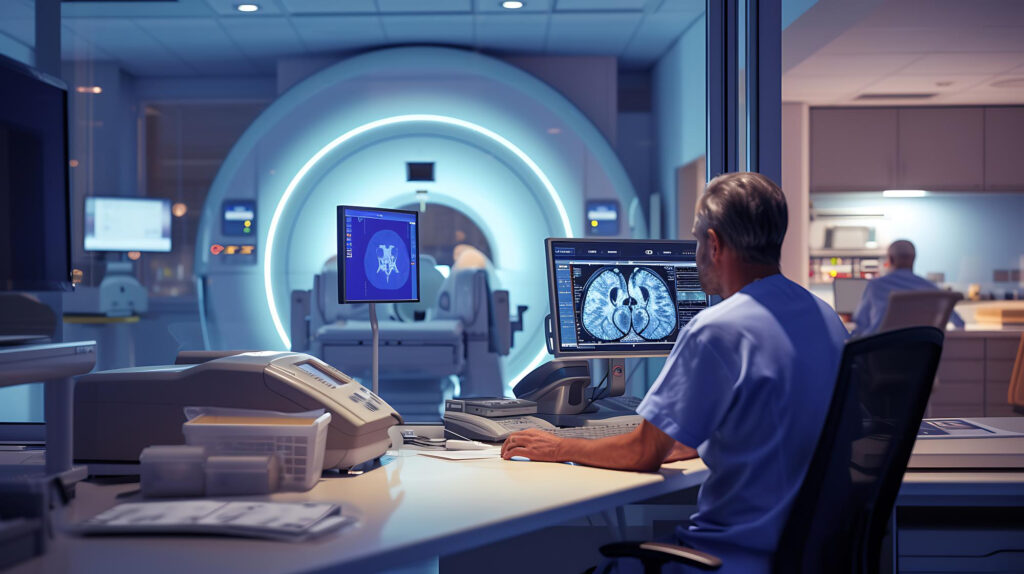
Importance of continuous improvement in radiology
In the current healthcare environment, accuracy and efficiency are critical. Radiology departments are always looking for ways to improve their operations because they handle critical medical imaging and diagnosis. It is not only desired, but also necessary for radiology systems to be continuously improved in order to provide better patient care.
This is the reason why:
- Improved Patient Experience: Simplified procedures result in quicker scan and result turnaround times. This lowers anxiousness and wait times for patients, increasing happiness all around.
- Enhanced Efficiency: Radiology teams can handle more cases with the same level of quality, thanks to optimized workflows. Better resource allocation and cost-effectiveness for the department follow from this.
- Increased Diagnostic Accuracy: By enabling radiologists to concentrate on intricate interpretations, sophisticated workflows and technology ultimately result in diagnoses that are more precise.
- Decreased Errors: Simplified procedures reduce human error in data entry and scheduling.
Role of applications analysts in this process
Radiology Applications Analysts play an important role in accelerating these advancements. They serve as a liaison between radiologists’ clinical demands and the technological capabilities of radiology information systems (RIS) as well as picture archiving and communication systems (PACS).
Applications Analysts, with a thorough understanding of both domains, become major change agents in radiology departments. They collaborate with radiologists, IT professionals and other stakeholders to discover inefficiencies, create creative solutions and ensure successful implementation.
System Analysis and Assessment
Evaluating current systems and processes
The key to successful improvement is a thorough understanding of the current radiology ecology. Here is how Applications Analysts approach system analysis and evaluation:
- Examining documentation: It includes analyzing user manuals, workflow diagrams and configuration settings to understand present functionalities and limits.
- Data Analysis: Analyzing historical data on patient volume, turnaround times and error rates might reveal bottlenecks and opportunities for improvement.
- User Interviews and Observations: By monitoring radiologists and technicians in their regular routines and conducting interviews, analysts can identify pain areas and issues that users confront.
- Software Evaluation: Assessing the capabilities and limits of current RIS and PACS systems is critical for finding areas for improvement or integration with new technologies.
Identifying areas for improvement
Using these methodologies, applications analysts can discover crucial areas for improvement, such as:
- Workflow Inefficiencies: This might encompass complicated scheduling procedures, repetitive data entry tasks or delays in generating reports.
- Data Accessibility and interaction: Siloed data or a lack of seamless interaction between systems might impede effective patient care and reporting.
- Outdated Technology: Outdated software may lack the characteristics required for complicated imaging modalities or integration with modern technology such as artificial intelligence (AI).
- User Interface Issues: Unintuitive interfaces can slow down radiologists and technicians, resulting in errors or decreased productivity.
By identifying these specific areas, Applications Analysts pave the road for building solutions that directly address the department’s needs.
Requirement Gathering and Documentation
Once a clear understanding of current systems and limitations is established, Applications Analysts shift their focus to gathering requirements for the envisioned improvements. Here’s a breakdown of this crucial step:
Collaborating with stakeholders to define requirements
This collaborative process involves engaging various stakeholders within the radiology department:
- Radiologists: Their expertise is essential for defining functional needs, such as specific reporting features, image manipulation tools or integration with advanced visualization software.
- Radiologic Technologists: Understanding their workflow challenges related to scheduling, image acquisition and data entry helps design solutions that enhance their efficiency.
- IT Staff: Collaboration with IT ensures newly implemented solutions integrate seamlessly with existing infrastructure and comply with data security regulations.
- Department Administrators: Their input is valuable for defining budgetary constraints and aligning improvement goals with departmental objectives.
Applications Analysts compile a comprehensive set of requirements that cover the demands of all users by communicating openly and actively listening.
Documenting functional and technical specifications
Once collaboration ensues, Applications Analysts transform the compiled requirements into precise and comprehensive documentation. This documentation predominantly encompasses two core elements:
- Functional Specifications: This document describes the desired functionality of the new system or enhanced features. It describes how the system should operate from the user’s perspective, with a focus on specific tasks and functionalities.
- Technical Specifications: This paper describes the technical requirements for attaining the intended functionality. It specifies hardware, software, network infrastructure and any integration requirements for current systems.
Applications Analysts ensure that all parties involved understand the project’s objectives and technical feasibility by rigorously documenting both functional and technical specifications.
Solution Design and Implementation
Armed with a thorough understanding of current systems, user needs and documented requirements, Applications Analysts move on to designing and implementing the envisioned improvements.
Designing solutions to address identified needs
Here’s how Applications Analysts approach solution design:
- Identifying potential solutions: This may involve evaluating existing software options, customizing current systems or developing new functionalities in collaboration with IT or external vendors.
- Prioritizing solutions: Considering factors like budget constraints, technical feasibility and user needs, Applications Analysts prioritize the most effective solutions for implementation.
- Developing a project plan: A detailed plan outlines the implementation timeline, assigns tasks to team members (including IT and radiology staff) and establishes clear milestones for progress tracking.
Implementing changes while minimizing disruption
To minimize disturbance to ongoing radiology activities, new system or upgrade implementation must be approached with caution. Applications Analysts typically:
- Create a phased implementation plan: This allows for a gradual deployment, reducing downtime and allowing for changes depending on user input.
- Provide comprehensive training: Training seminars for radiologists, technicians and other personnel ensure that they are familiar with the new system and its features.
- Provide continuing support: A dedicated support team assists users in navigating any issues that arise during the first changeover phase.
Applications Analysts provide a smooth transition to better systems with minimal disruption to patient care by meticulously planning and carrying out the deployment process.
Are You Looking to Hire a Proven RIS-PACS Systems Professionals?
Helping companies discover the perfect talent for their needs. Finding the right individuals to drive your success is what we excel at.
Testing and Validation
Following the introduction of new solutions, Applications Analysts thoroughly test and validate the system to ensure that it fulfills all of the criteria. Here’s an overview of this important stage:
Ensuring new solutions meet requirements
Testing ensures that the implemented system works as planned and meets the defined needs. Applications Analysts usually conduct:
- Unit Testing: It entails testing individual software components to ensure they work properly in isolation.
- Integration Testing: It ensures that diverse system components communicate and exchange data seamlessly.
- User Acceptance Testing (UAT): Radiologists, technologists and other stakeholders actively participate in UAT to test the system’s functionality from the perspective of the user and identify any usability flaws.
Conducting thorough testing before deployment
Applications Analysts discover and fix any flaws, malfunctions or feature gaps before the system is fully operational. This provides a smooth transition and reduces the possibility of experiencing unexpected problems that impede workflow or compromise patient data.
A thorough testing and validation process is critical to the success of any system enhancement effort. It ensures that the installed solution meets expectations while also improving the efficiency and accuracy of radiology workflows.
User Training and Support
Even with the most intuitive system, successful implementation relies on user adoption and proficiency. User Training and Support are crucial in this process.
Providing training to users on new systems and processes
Radiology Applications Analysts play a vital role in ensuring users feel at ease and competent when navigating the new system or updated features. Here’s their approach to user training:
- Developing extensive training materials: This includes user manuals, video tutorials and quick reference guides tailored to various learning styles.
- Conducting training sessions: Applications Analysts lead sessions to guide users through the system’s functions, address questions and alleviate any initial concerns. These sessions can be customized for different user roles like radiologists, technologists and administrative personnel.
- Encouraging practical experience: Giving users the chance to practice using the new system in a simulated environment helps build their confidence and skills before facing real-world situations.
Offering ongoing support
After the initial training, support continues for Applications Analysts. They typically:
- Establish a dedicated support channel: This may include a help desk phone line, email address or an internal knowledge base where users can find solutions to common questions and troubleshoot minor issues.
- Offer continuous technical support: The Applications Analyst team is always available to address technical challenges, respond to user inquiries and provide guidance on optimizing the system’s features.
- Collect user feedback: Actively gathering user input through surveys, interviews or suggestion boxes enables ongoing enhancement of the system and training materials.
Through thorough training and continual support, Applications Analysts empower users to fully utilize the new system, leading to increased workflow efficiency and improved patient care.
Performance Monitoring and Optimization
The responsibilities of a Radiology Applications Analyst extend beyond the successful implementation phase, as they are crucial in maintaining the efficiency of the upgraded systems.
Monitoring system performance and user feedback
After the implementation phase, Applications Analysts proactively monitor the new system’s performance to pinpoint opportunities for further enhancement. Here’s how they accomplish this:
- Tracking system metrics: This includes overseeing key performance indicators (KPIs) like report turnaround times, user login durations, system uptime and error rates.
- Gathering user feedback: They persist in collecting feedback from radiologists, technologists and other users to determine any persisting obstacles or areas that could benefit from workflow or system functionality enhancements.
Making adjustments to optimize efficiency and usability
Based on the data collected, Applications Analysts can offer further optimizations:
- System adjustments: Fine-tuning system configurations and automating repetitive processes can help to increase efficiency and streamline workflows.
- Further training: If users need further training on specific functionalities, targeted training sessions can be held to fill knowledge gaps.
- System updates or upgrades: As new technologies emerge or user needs change, Applications Analysts may suggest system updates or upgrades to ensure peak performance and take advantage of the most recent improvements.
Applications Analysts ensure that enhanced systems continue to be optimized for efficiency and user satisfaction by constantly evaluating performance and asking feedback. This ongoing approach promotes a culture of continuous improvement within the radiology department, resulting in the greatest possible patient care experience.
Collaboration and Communication
The success of any system improvement effort depends on efficient collaboration and communication among the numerous parties involved. Radiology Applications Analysts serve as facilitators, ensuring that everyone remains on the same page throughout the process.
Working closely with IT, radiologists and other stakeholders
A Radiology Applications Analyst does not operate in isolation. They actively collaborated with a diverse team:
- IT Department: Close engagement with IT ensures that the new system connects easily with the current infrastructure and follows data security guidelines. IT personnel also provides technical support during the implementation phase.
- Radiologists: Radiologists’ clinical expertise is critical for identifying functional requirements and ensuring that implemented solutions improve diagnostic accuracy and efficiency.
- Radiologic Technologists: Understanding their daily workflow difficulties is critical for developing solutions that streamline their duties and increase overall efficiency.
- Department Administrators: Working with administrators ensures that the project aligns with departmental objectives and financial constraints.
Facilitating effective communication throughout the improvement process
Here’s how Applications Analysts promote good communication:
- Regular meetings: Holding regular meetings with stakeholders keeps everyone up to date on project progress, enables for the resolution of problems and promotes collaborative decision-making.
- Clear and simple documentation: Having clear and up-to-date documentation on requirements, testing findings in addition to user feedback fosters transparency and eliminates confusion.
- Active listening: Applications Analysts aggressively listen to all stakeholders’ requirements and concerns, instilling a sense of ownership and commitment to the improvement project.
Applications Analysts establish a collaborative and communicative atmosphere to ensure that all stakeholders are involved, informed and invested in the success of system upgrades. This finally leads to solutions that successfully satisfy departmental demands while improving patient care.
Conclusion
In conclusion, Radiology Applications Analysts play a pivotal role in driving continuous improvement within radiology departments. Their expertise bridges the gap between clinical needs and technological advancements, ensuring optimized workflows, improved diagnostic accuracy and ultimately, a superior patient experience. By collaborating effectively with stakeholders and meticulously following each step of the improvement process, Applications Analysts empower radiology departments to deliver the highest quality care.
Are You Looking to Hire a Proven RIS-PACS Systems Professionals?
Helping companies discover the perfect talent for their needs. Finding the right individuals to drive your success is what we excel at.