
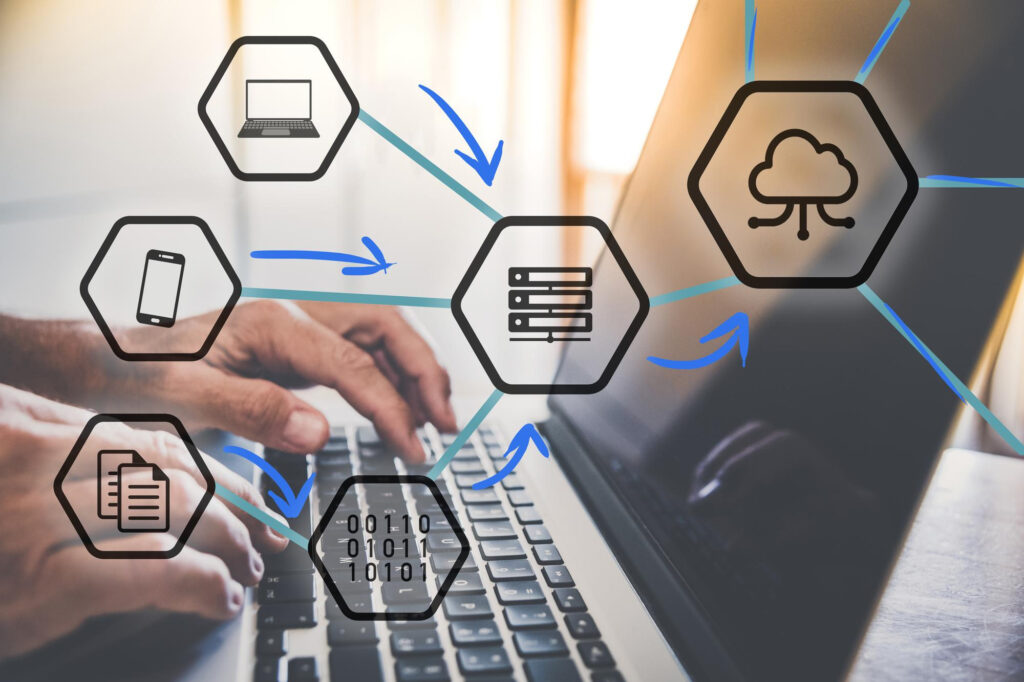
Introduction to Tyler (Munis Enterprise ERP) as an ERP system for government agencies
A complete software program called Tyler Munis Enterprise ERP was created to help government organizations manage their operational and financial requirements. It unifies a number of functions into one platform, including payroll, procurement, human resources, financial management and more. Agencies can improve decision making powers, increase transparency and streamline procedures with the help of this ERP system.
Importance of advanced data integration in maximizing operational efficiency
Tyler Munis Enterprise ERP’s advanced data integration is instrumental for optimizing operational effectiveness. It entails the smooth transfer of data between various modules as well as external systems, ensuring information accuracy and consistency. A Mckinsey analysis found that organizations who successfully integrate their data across systems can increase operational efficiency by up to 45% by lowering mistakes and improving data accessibility.
Understanding Advanced Data Integration in Tyler (Munis Enterprise ERP)
Definition of advanced data integration in the context of ERP systems
Advanced data integration, as it relates to ERP systems such as Tyler Munis Enterprise ERP, is the process of bringing data from various sources together into a single format. This involves transforming, cleaning and syncing data between different modules and external databases to facilitate operational continuity along with well-informed decision-making.
Overview of Tyler (Munis Enterprise ERP) capabilities and modules relevant to data integration
A comprehensive range of features that are necessary for data integration are provided by Tyler (Munis Enterprise ERP). Its modules include a wide range of topics, including payroll, HR, procurement, budgeting and financial management. These are all connected to give a complete picture of how a firm operates. For instance, a state government used Tyler Munis to connect financial and procurement data, which led to 30% faster budgeting cycles and improved financial reporting accuracy, according to a case study published by Gartner.
Strategies for Effective Data Integration
Data mapping and transformation techniques for seamless integration
Careful data mapping and transformation procedures are the first step toward effective data integration in Tyler Munis Enterprise ERP. This entails aligning data fields from several sources with Tyler Munis’s structure through mapping, ensuring accurate data flow and seamless integration. Organizations that use strong data mapping methods can lower integration costs by as much as 30% while increasing data accuracy, according to a Forrester report.
Utilizing APIs and middleware for connecting Tyler (Munis Enterprise ERP) with external systems
Tyler Munis Enterprise ERP interfaces with external systems are possible in large part by middleware and APIs (application programming interfaces). APIs improve interoperability and operational efficiency by facilitating real-time data interchange across various applications. For example, using APIs in ERP systems can minimize reliance on manual data entry and speed up integration timelines by 50%, according to a recent IDC analysis.
Automating Data Processes
Importance of automation in data integration workflows
Streamlining data integration operations inside Tyler Munis Enterprise ERP is made possible through automation. Automated data extraction, transformation and loading (ETL) procedures reduce mistakes as well as ensure data consistency between modules. According to Aberdeen Group research, businesses that use automated ETL processes see a 60% decrease in operating expenses associated with manual data handling and 60% faster data integration times.
Tools and technologies for automating data extraction, transformation, and loading (ETL)
In Tyler Munis Enterprise ERP, a range of tools and technologies are available to support automated ETL workflows. Comprehensive solutions for data integration along with administration are provided by tools like Informatica and Talend, helping businesses effectively plan intricate operations. For instance, a TechValidate case study demonstrated how a county government used Informatica to automate ETL procedures, which cut down on data processing time by 40% while generating better data.
Real-time Data Integration
Strategies for implementing real-time data integration with Tyler (Munis Enterprise ERP)
Tyler Munis Enterprise ERP real-time data integration is implemented by utilizing technology that allow for instantaneous data updates throughout the system. By doing this, decision-makers are ensured access to the most recent data for analysis and prompt decision-making. A Harvard Business Review study claims that firms using real-time data integration can gain a competitive edge through agile operations and cut decision-making times by as much as 50%.
Benefits of timely data updates for decision-making and reporting
For Tyler Munis Enterprise ERP, real-time integration offers timely data updates that have a major positive impact on reporting and decision-making procedures. For example, a Deloitte case study demonstrated how a city government used real-time data integration to optimize resource allocation based on current financial insights and increase budget forecasting accuracy by 25%.
Data Quality Management
Best practices for ensuring data quality in Tyler (Munis Enterprise ERP) through integration processes
Implementing best practices for data cleansing, finding duplicates and validation during integration processes is necessary to ensure data quality in Tyler Munis Enterprise ERP. This ensures that only precise and trustworthy data are used for operational and decision-making needs. A Gartner study found that organizations that put a high priority on data quality management can save expenses related to bad data by 20% and increase operational effectiveness by 25%.
Techniques for data cleansing, deduplication, and validation
Tyler Munis Enterprise ERP requires strict data validation procedures, sophisticated algorithms to find duplicates and automatic data cleansing solutions to maintain excellent data quality. For instance, a recent Forrester study described how a state agency increased audit readiness along with data correctness and compliance by incorporating data quality management strategies into their ERP system. This led to a decrease in financial reporting errors.
Security and Compliance
Ensuring data security and regulatory compliance in integrated systems
Critical factors to take into account when integrating systems such as Tyler Munis Enterprise ERP are data security and regulatory compliance. Encrypting sensitive data and implementing access restrictions are two effective ways to protect information against breaches and unwanted access. A Ponemon Institute study found that the average cost of a business experiencing a data breach is $3.86 million, highlighting the significance of taking preventative security measures.
Role of analysts in maintaining data integrity and confidentiality
In integrated systems such as Tyler Munis Enterprise ERP, analysts are essential to preserving data confidentiality and integrity. Analysts monitor data access, carry out routine audits as well as ensure that industry laws are followed in order to reduce risks and maintain corporate assurance. For instance, an IDC compliance case study demonstrated how strict data governance guidelines implemented by a county government aided in compliance with state regulations and enhanced public trust in their financial management practices.
Case Studies and Examples
Real-world examples of organizations leveraging advanced data integration in Tyler (Munis Enterprise ERP)
Tyler Munis Enterprise ERP’s sophisticated data integration has been effectively used by a number of businesses to improve productivity and streamline processes. According to a TechValidate case study, a big city that integrated financial management along with procurement data reduced vendor payment processing times by thirty percent and increased the accuracy of budget allocations.
Quantifiable benefits such as improved efficiency or cost savings
Tyler Munis Enterprise ERP’s sophisticated data integration offers measurable advantages, such as increased operational effectiveness and cost savings. Organizations that enhance data integration procedures can achieve up to 45% higher operational efficiency through faster workflows and a decrease in errors, according to a McKinsey analysis. Quicker decision-making and resource allocation are made possible by enhanced data accessibility and real-time reporting capabilities, which reduce overall costs.
Challenges and Solutions
Common challenges faced by analysts in advanced data integration projects
Advanced data integration initiatives inside Tyler Munis Enterprise ERP frequently provide analysts with difficulties such as inconsistent data, complex integrations and incompatible components with external systems. To tackle these obstacles, thorough planning, departmental cooperation and the use of scalable integration technologies are necessary. Organizations that proactively handle integration difficulties can improve overall project success rates and cut project delays by as much as 40%, according to Gartner.
Strategies and best practices for overcoming integration hurdles
Analysts can use approaches like thorough data audits, rapid development processes and cloud-based integration platforms to get around integration obstacles with Tyler Munis Enterprise ERP. For instance, a Forrester case study demonstrated how a state agency used agile integration techniques to improve project outcomes, including a faster time-to-market for new features and increased system scalability.
Future Trends and Innovations
Emerging trends in ERP data integration and their implications for Tyler (Munis Enterprise ERP).
Emerging technologies like blockchain for improved data security, AI-driven automation and hybrid cloud integration will define the future of ERP data integration. These technologies, which offer more flexibility, scalability and real-time insights, are set to revolutionize the way businesses manage as well as integrate data within systems like Tyler Munis Enterprise ERP. Organizations that use these technologies can cut operational costs through optimal resource allocation and accomplish integration times up to 60% faster, according to IDC.
Predictions for future advancements in data integration technologies
Predictive analytics, Internet of Things (IoT) integration and improved data visualization capabilities are anticipated to be the main areas of focus for future developments in data integration technologies for ERP systems such as Tyler Munis Enterprise ERP. These developments will enable businesses to make data-driven decisions more quickly and precisely, resulting in operational excellence and competitive advantage.
Conclusion
Recap of strategies for advanced data integration in Tyler (Munis Enterprise ERP)
To sum everything up, Tyler Munis Enterprise ERP’s sophisticated data integration plays a critical role in improving government agencies’ operational effectiveness and capacity for making decisions. We looked at a number of tactics and best practices that are necessary for efficient data integration throughout this blog, including:
- Data Mapping and Transformation: According to Forrester, this process ensures smooth integration by mapping and transforming data between modules.
- Using technology to enable real-time data updates to facilitate quick decision-making is known as real-time integration (Harvard Business Review).
- For correct insights, data quality management should prioritize data cleansing, deduplication and validation (Gartner).
- Security and Compliance: To safeguard sensitive data, uphold strict security protocols and regulatory compliance (Ponemon Institute).
- Automation: Using automation to load, transform and extract data efficiently (Aberdeen Group).
Final thoughts on the role of analysts in driving operational excellence through effective data integration
Thanks to their proficiency in data management and integration, analysts with Tyler Munis Enterprise ERP are essential to fostering operational effectiveness. Analysts enable organizations to make well-informed decisions and accomplish strategic goals by ensuring data quality, improving system security and streamlining integration procedures. IDC has shown that companies who put a high priority on data integration and analytics skills can get up to a 20% productivity and profitability advantage over their competitors.
In summary, with technology and methods always advancing, data integration in ERP systems like Tyler Munis Enterprise ERP has an optimistic outlook. Organizations can seize new chances for development, efficiency and a competitive advantage in the digital age by embracing these advances and following best practices.
Are You Looking to Hire a Proven Tyler Munis Analyst?
Helping companies discover the perfect talent for their needs. Finding the right individuals to drive your success is what we excel at.